Illukawela Walauwa Estate

The ancient Buddhist temple of Ramba Viharaya

Ramba Viharaya

If ever anywhere perfectly epitomised one of the original names for Sri Lanka – Serendib – from which the term serendipity (the effect by which one accidentally discovers something fortunate) is derived, then it is Ramba Viharaya. It is an extraordinarily historical and beautiful site, albeit on a small scale, and yet it doesn’t feature in any guidebooks about Sri Lanka. Ramba Viharaya, situated 12 miles south of Embilipitiya, is an ancient Buddhist temple complex located on the banks of the Walawe Ganga (river) and has been newly declared a heritage site. The Walawe Ganga is the same river that passes north east of Embilipitiya and feeds the Udawalawe reservoir to the north of the town. The temple site, which is still undergoing extensive excavation, is believed to be part of the medieval capital of Sri Lanka in the 11th century, Maha Nagakula. The photograph above, taken in March/April 2008, shows just one of the fascinating ruins on the site. The Sri Lankan government, with UNESCO funding, is in the process of acquiring private land in the vicinity to ensure further protection for potential historical sites and facilitate controlled and legal excavation. A new museum has been opened on the site, exhibiting many of the items discovered during excavations. The site and/or legend appears to have inspired the Indiana Jones and the Emperor’s Tomb video game (Wikipedia article), featuring the Idol of Ramba Vihara (Ceylon: Gates to the Lost City). Several fascinating articles are available online if you’re interested in learning more about the site and excavations: http://www.ccf.lk/ramba_vihara/ http://www.lankalibrary.com/heritage/temples/ramba.htm http://www.angelfire.com/planet/heritagesl2/ramba/ramba.htm http://www.archaeology.lk/articles/ramba-viharaya-and-its-connection-with-myanmar/ http://www.dailynews.lk/2008/01/15/fea02.asp

Ramba Viharaya Read More »

Cultural Understanding in Sri Lanka – A Journey Through Heritage and Diversity

Sri Lanka, an island nation in South Asia, is a melting pot of cultures, religions, and traditions. Its rich tapestry of cultural heritage is a testament to its historical significance and the harmonious coexistence of diverse communities. Understanding Sri Lanka’s culture involves delving into its ancient history, religious practices, traditional arts, and the everyday lives of its people. Historical Context and Multiculturalism Sri Lanka’s cultural diversity is deeply rooted in its history. The island has been a crucial hub for trade and cultural exchange since ancient times, attracting merchants, explorers, and settlers from India, Arabia, Europe, and the Far East. These interactions have left an indelible mark on the island’s culture, creating a unique blend of influences. The Sinhalese and Tamil communities form the majority of the population, with significant contributions from the Moors, Malays, Burghers, and indigenous Vedda people. Each group has preserved its distinct cultural identity while contributing to the broader Sri Lankan culture, fostering a spirit of multiculturalism and mutual respect. Religious Harmony and Practices Religion plays a central role in the cultural landscape of Sri Lanka. The island is predominantly Buddhist, with Theravada Buddhism being the most widely practiced. The influence of Buddhism is evident in the numerous stupas, temples, and monastic sites scattered across the country. Anuradhapura, Polonnaruwa, and Kandy are key cities where one can explore Sri Lanka’s Buddhist heritage. Hinduism, Islam, and Christianity are also integral to the cultural fabric of Sri Lanka. Hindu temples, such as the ancient Koneswaram Temple in Trincomalee and the Nallur Kandaswamy Temple in Jaffna, are important religious sites. The Muslim community, primarily concentrated in the Eastern Province and Colombo, observes Islamic traditions and festivals, with the Jami Ul-Alfar Mosque in Colombo being a prominent landmark. Christianity, introduced by Portuguese colonizers, has left its mark with beautiful churches like St. Mary’s Cathedral in Negombo. Festivals and Celebrations Sri Lanka’s festivals are vibrant expressions of its cultural diversity. The Sinhala and Tamil New Year, celebrated in April, marks the traditional lunar new year and is characterized by various rituals, games, and feasts. Vesak, the most important Buddhist festival, commemorates the birth, enlightenment, and death of Buddha with elaborate decorations, lanterns, and religious ceremonies. Hindu festivals such as Diwali and Thai Pongal are celebrated with great fervor, featuring traditional music, dance, and culinary delights. The Muslim community observes Ramadan and Eid with prayers, feasting, and charitable activities. Christmas and Easter are significant for Christians, marked by church services, festive meals, and community gatherings. Traditional Arts and Crafts Sri Lanka’s traditional arts and crafts are a reflection of its rich cultural heritage. Kandyan dance, a classical dance form originating from the hill country, is renowned for its intricate movements and elaborate costumes. Bharatanatyam, practiced by the Tamil community, is another classical dance form that showcases grace and storytelling through dance. Craftsmanship is highly valued, with artisans producing exquisite items such as handloom textiles, pottery, wood carvings, and brassware. The art of batik, introduced by Indonesian traders, has been adopted and adapted by local artists to create vibrant, patterned fabrics. Culinary Heritage Sri Lankan cuisine is a flavorful amalgamation of local ingredients and influences from India, Malaysia, the Netherlands, and Portugal. Rice and curry form the staple diet, with an array of vegetable, fish, and meat curries that vary by region. Spices play a crucial role in Sri Lankan cooking, and dishes are often accompanied by sambols, pickles, and chutneys. Popular dishes include hoppers (a type of pancake), kottu roti (chopped roti with vegetables and meat), and lamprais (rice and accompaniments baked in a banana leaf). Tea, a legacy of British colonial rule, remains a significant part of the daily routine and social interactions. Contemporary Cultural Dynamics Modern Sri Lanka continues to evolve while preserving its cultural heritage. The arts scene is thriving, with contemporary artists, filmmakers, and musicians gaining international recognition. Education and literacy rates are high, contributing to a culturally aware and engaged population. Efforts to promote cultural understanding and unity are evident in various initiatives and institutions dedicated to preserving and celebrating the island’s diverse heritage. Festivals, cultural events, and interfaith dialogues foster a sense of community and shared identity among Sri Lankans. Conclusion Understanding Sri Lanka’s culture involves appreciating its historical depth, religious diversity, artistic expressions, and culinary delights. The island’s cultural richness is a testament to its history of inclusivity and adaptability, offering a fascinating journey for those eager to explore and learn. Through its festivals, arts, and everyday life, Sri Lanka invites the world to experience its vibrant and harmonious cultural mosaic.

Cultural Understanding in Sri Lanka – A Journey Through Heritage and Diversity Read More »

Eco Activities in Sri Lanka – Exploring the Green Heart of the Island

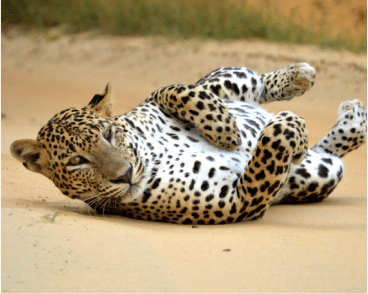
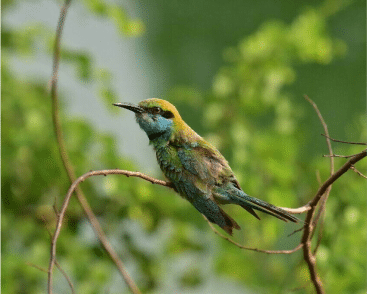
Sri Lanka, renowned for its lush landscapes and rich biodiversity, is a haven for eco-conscious travelers. This island nation offers a plethora of eco activities that allow visitors to immerse themselves in its natural beauty while promoting sustainable tourism practices. From verdant rainforests and pristine beaches to wildlife sanctuaries and cultural experiences, Sri Lanka’s eco activities provide a unique way to explore and protect the environment. 1. Wildlife Safaris and Conservation Efforts Sri Lanka is home to an impressive array of wildlife, making it an ideal destination for eco-friendly safaris. National parks like Yala, Udawalawe, and Wilpattu offer thrilling opportunities to observe elephants, leopards, sloth bears, and a myriad of bird species in their natural habitats. These safaris are often conducted by experienced guides who emphasize wildlife conservation and educate visitors about the importance of protecting these ecosystems. One notable conservation effort is the work done by the Elephant Transit Home in Udawalawe, which rehabilitates orphaned elephants and prepares them for release into the wild. Visitors can support this initiative by learning about the elephants’ rehabilitation process and contributing to their care. 2. Birdwatching in Biodiverse Habitats With over 400 bird species, including 33 endemics, Sri Lanka is a birdwatcher’s paradise. Eco activities centered around birdwatching are popular in areas such as the Sinharaja Forest Reserve, a UNESCO World Heritage Site, and the wetlands of Bundala National Park. These tours are designed to minimize environmental impact while maximizing the opportunity to observe and photograph rare and exotic birds in their natural surroundings. 3. Exploring Rainforests and Plantations Sri Lanka’s rainforests, such as the Sinharaja Forest Reserve and Knuckles Mountain Range, offer rich biodiversity and stunning scenery. Guided eco-treks through these forests provide insights into the unique flora and fauna, including many endemic species. These treks often highlight the importance of rainforest conservation and sustainable tourism. The island’s famous tea plantations, particularly in the central highlands, offer eco-friendly tours that showcase sustainable farming practices. Visitors can learn about organic tea cultivation, fair-trade practices, and the history of tea production in Sri Lanka while enjoying the scenic beauty of the rolling hills. 4. Marine Conservation and Coastal Activities Sri Lanka’s coastline is dotted with marine conservation initiatives and eco-friendly beach activities. The southern coast, including Mirissa and Hikkaduwa, offers opportunities for responsible whale and dolphin watching tours. These tours are conducted with a focus on minimizing disturbance to marine life and educating visitors about marine conservation. The coral reefs of Pigeon Island and Hikkaduwa provide excellent spots for snorkeling and diving. Eco-conscious operators ensure that these activities are conducted in a way that protects the fragile marine ecosystems. Additionally, organizations like the Sri Lanka Turtle Conservation Project work tirelessly to protect endangered sea turtles, and visitors can participate in turtle hatchling releases and beach clean-ups. 5. Community-Based Tourism and Cultural Experiences Eco activities in Sri Lanka extend beyond natural landscapes to include cultural and community-based tourism. Engaging with local communities through homestays, craft workshops, and cultural tours supports sustainable livelihoods and preserves traditional knowledge and practices. Programs like the village tours in Hiriwadunna and the agro-tourism initiatives in the Knuckles region allow visitors to experience rural life, learn about sustainable agriculture, and contribute directly to local economies. 6. Eco-Lodges and Sustainable Accommodations A growing number of eco-lodges and sustainable accommodations across Sri Lanka cater to eco-conscious travelers. These establishments employ green practices such as using renewable energy, reducing waste, and supporting local communities. Staying at eco-lodges like the Rainforest Ecolodge in Sinharaja or the Back of Beyond properties offers a comfortable and immersive way to experience Sri Lanka’s natural beauty while minimizing environmental impact. Conclusion Sri Lanka’s commitment to eco-friendly tourism offers travelers the chance to explore its incredible biodiversity and rich cultural heritage responsibly. Whether it’s through wildlife safaris, birdwatching, rainforest treks, marine conservation, or community-based tourism, eco activities in Sri Lanka provide enriching experiences that also contribute to the preservation of the island’s natural and cultural treasures. Embracing these eco-friendly practices ensures that Sri Lanka remains a paradise for future generations to enjoy.

Eco Activities in Sri Lanka – Exploring the Green Heart of the Island Read More »

Discover Sri Lanka Through Bespoke Tours

The Allure of Bespoke Tours Sri Lanka, an island nation nestled in the Indian Ocean, is a treasure trove of cultural heritage, stunning landscapes, and exotic wildlife. For discerning travelers seeking an unparalleled experience, bespoke tours offer a personalized journey through this tropical paradise, allowing for an intimate and tailored exploration of its wonders Bespoke tours are customized travel experiences meticulously crafted to match individual preferences, interests, and schedules. Unlike conventional tours that follow a predetermined itinerary, bespoke tours in Sri Lanka are designed to provide travelers with a unique and immersive adventure, ensuring every aspect of the journey aligns with their desires. Why Choose Sri Lanka? Sri Lanka boasts a diverse array of attractions, making it an ideal destination for bespoke tours. From pristine beaches and lush tea plantations to ancient temples and vibrant cities, the island offers something for every type of traveler. Cultural Richness Sri Lanka’s rich cultural heritage is evident in its ancient cities, UNESCO World Heritage sites, and centuries-old traditions. Bespoke tours can include visits to the historic city of Anuradhapura, the sacred Temple of the Tooth in Kandy, and the impressive Sigiriya Rock Fortress. Personalized experiences might also encompass local festivals, traditional dance performances, and culinary tours highlighting Sri Lankan cuisine. Natural Beauty The island’s diverse landscapes are a haven for nature lovers. Customized itineraries can feature safaris in Yala National Park, where travelers can witness elephants, leopards, and a variety of bird species. Trekking in the lush forests of Sinharaja or exploring the scenic hill country of Nuwara Eliya, known for its tea estates, can also be part of a bespoke tour. For beach enthusiasts, the golden sands of Mirissa, Unawatuna, and Bentota offer perfect spots for relaxation and water sports. Adventure and Wellness Sri Lanka is an excellent destination for adventure seekers. Tailored tours can include activities such as surfing in Arugam Bay, white-water rafting in Kitulgala, and hot air ballooning over the cultural triangle. Wellness-focused travelers can indulge in Ayurveda retreats, yoga sessions, and spa treatments, ensuring a rejuvenating experience. Crafting the Perfect Itinerary Creating a bespoke tour involves collaboration between the traveler and a skilled travel consultant. The process begins with an in-depth consultation to understand the traveler’s interests, preferences, and expectations. Based on this, a customized itinerary is developed, incorporating unique experiences and exclusive access to certain sites and activities. Luxurious Accommodations Accommodation is a crucial aspect of bespoke tours. Sri Lanka offers a range of luxurious stays, from boutique hotels and colonial bungalows to lavish beach resorts and eco-friendly lodges. Personalized tours ensure that travelers stay in places that enhance their overall experience, offering comfort, privacy, and a touch of elegance. Sustainable and Responsible Travel Bespoke tours in Sri Lanka often emphasize sustainable and responsible travel practices. Tour operators work closely with local communities, ensuring that tourism benefits the local economy and culture. Eco-friendly accommodations, wildlife conservation projects, and cultural preservation initiatives are integral to these customized travel experiences. Conclusion Bespoke tours in Sri Lanka offer an exceptional way to explore this enchanting island. By tailoring every aspect of the journey to meet individual preferences, these tours provide a deeply personalized and memorable travel experience. Whether it’s delving into the rich cultural tapestry, basking in the natural beauty, seeking adventure, or indulging in wellness, bespoke tours ensure that every moment in Sri Lanka is crafted to perfection.

Discover Sri Lanka Through Bespoke Tours Read More »

Sankhapala Cave Temple

Hidden amidst the natural beauty of [insert location], the Sankhapala Cave Temple is a destination that blends spiritual tranquility with breathtaking landscapes. This ancient temple, carved into a rugged hillside, offers visitors a unique glimpse into the region’s rich cultural and religious heritage. A Journey into History Origins and Significance The Sankhapala Cave Temple is steeped in history and legend. Believed to have been established centuries ago, this sacred site has long been a place of worship and pilgrimage. The temple’s name, “Sankhapala,” is derived from ancient scripts, and it is often associated with local folklore and mystical tales that have been passed down through generations. Architectural Marvel Carved directly into the rock face, the temple is an architectural marvel that showcases the craftsmanship of its ancient builders. The intricate carvings and statues found within the temple are a testament to the skill and dedication of the artisans who created this spiritual haven. The cave’s interior is adorned with religious icons, murals, and sculptures, each telling a story of devotion and artistry. The Spiritual Experience A Place of Worship The Sankhapala Cave Temple is not just a historical site; it remains an active place of worship. Devotees from near and far come to this serene location to pay their respects and seek blessings. The temple is particularly revered during religious festivals and special occasions, when it comes alive with vibrant ceremonies and rituals. Meditation and Tranquility For those seeking peace and introspection, the temple offers a tranquil environment perfect for meditation and contemplation. The natural cave setting, combined with the spiritual ambiance, provides an ideal backdrop for those looking to connect with their inner selves and find solace away from the chaos of everyday life. Exploring the Surroundings Natural Beauty The Sankhapala Cave Temple is set against a backdrop of stunning natural beauty. The surrounding landscape is characterized by lush greenery, rolling hills, and serene water bodies. Nature enthusiasts will find plenty to explore, from scenic hiking trails to peaceful spots for relaxation and reflection. Nearby Attractions While visiting the Sankhapala Cave Temple, be sure to explore the nearby attractions that add to the charm of this destination. Local villages offer a glimpse into traditional lifestyles, and markets provide an opportunity to sample regional cuisine and crafts. Other historical and cultural sites in the vicinity further enrich the visitor experience. Tips for Visiting Sankhapala Cave Temple Best Time to Visit The best time to visit the Sankhapala Cave Temple is during the cooler months of [insert months], when the weather is pleasant for exploration and outdoor activities. However, each season offers its own unique charm, making it a destination worth visiting year-round. What to Bring When planning your visit, be sure to pack comfortable walking shoes, as the terrain can be uneven. A hat, sunscreen, and insect repellent are recommended, especially if you plan to spend time exploring the natural surroundings. Carrying a water bottle is essential to stay hydrated during your visit. Respectful Tourism As a place of worship and cultural heritage, it is important to respect the sanctity of the Sankhapala Cave Temple. Dress modestly, follow any guidelines provided by the temple authorities, and maintain a quiet and respectful demeanor. Photography may be restricted in certain areas, so be sure to adhere to any posted signs or instructions. Conclusion The Sankhapala Cave Temple is a destination that captivates both the spirit and the senses. Its blend of historical significance, architectural beauty, and natural splendor makes it a must-visit location for anyone interested in culture, history, and spirituality. Whether you come for a pilgrimage, a meditation retreat, or simply to explore, the Sankhapala Cave Temple offers an unforgettable experience that will leave you enriched and inspired. Plan your visit today and discover the magic of this ancient sacred site.

Sankhapala Cave Temple Read More »

Yaala National Park

Located in the vibrant heart of [insert region or country], Yaala National Park stands as a testament to nature’s beauty and diversity. Renowned for its breathtaking landscapes, rich wildlife, and serene atmosphere, Yaala is a must-visit destination for nature lovers, wildlife enthusiasts, and adventure seekers. A Journey Through Yaala’s Natural Splendor Flora and Fauna Yaala National Park is a biodiversity hotspot, teeming with a wide variety of plant and animal species. The park’s dense forests are a botanical treasure trove, featuring everything from towering ancient trees to vibrant flowering plants. Botanists and plant lovers will find the flora here both fascinating and diverse. Wildlife is the star attraction of Yaala. The park is home to a remarkable array of animals, including majestic elephants, elusive leopards, spotted deer, sloth bears, and an impressive variety of bird species. Birdwatchers can look forward to spotting colorful and rare birds, making it a paradise for ornithologists and casual bird lovers alike. Stunning Landscapes The landscapes of Yaala National Park are a visual feast. From rolling grasslands and dense jungles to serene lakes and winding rivers, the park offers a picturesque backdrop that appeals to photographers, artists, and nature enthusiasts. The diverse terrain also provides excellent opportunities for hiking, with trails that cater to all levels of fitness and adventure. Adventure and Recreation Adventure awaits at every corner in Yaala National Park. Hiking trails of varying difficulty levels take you through some of the most scenic parts of the park, offering a chance to experience its beauty up close. Wildlife safaris are a popular activity, providing an opportunity to see the park’s magnificent animals in their natural habitat. For those who enjoy water-based activities, the park’s lakes and rivers are perfect for kayaking, canoeing, and fishing. The calm waters offer a peaceful retreat, ideal for a day spent exploring or simply relaxing in nature. Tips for Visiting Yaala National Park Best Time to Visit The optimal time to visit Yaala National Park is during the dry season, typically from [insert months]. During this period, the weather is pleasant, and wildlife is more easily observed around water sources. However, each season brings its own unique experiences, making Yaala a year-round destination. What to Bring When planning your trip to Yaala, ensure you pack essentials such as comfortable hiking shoes, a hat, sunscreen, insect repellent, and ample water. Binoculars and a camera are indispensable for wildlife spotting and capturing the park’s stunning landscapes. If you intend to stay overnight, check whether the park offers accommodation or if you need to bring camping gear. Respect for Nature Preserving the beauty and integrity of Yaala National Park is paramount. Visitors should stay on designated trails, avoid disturbing wildlife, and dispose of waste responsibly. By respecting the environment, you help ensure that Yaala remains a pristine sanctuary for future generations to enjoy. Conclusion Yaala National Park is a treasure trove of natural wonders, offering visitors a chance to reconnect with nature in its purest form. Whether you’re traversing its lush forests, embarking on a thrilling wildlife safari, or simply soaking in the tranquil ambiance, Yaala promises an unforgettable experience. Plan your visit today and embark on an adventure that will leave you with lasting memories of this beautiful natural haven.

Yaala National Park Read More »

Udawaławe National Park

Nestled in the heart of southern Sri Lanka, Udawaławe National Park is a hidden gem waiting to be discovered by nature enthusiasts and adventure seekers alike. This serene and diverse park offers a perfect escape from the hustle and bustle of city life, inviting visitors to immerse themselves in its rich biodiversity, stunning landscapes, and tranquil ambience. A Glimpse into Udawaławe’s Natural Wonders Flora and Fauna Udawaławe National Park is home to an astonishing variety of plant and animal species. The park’s lush forests are teeming with vibrant flora, from towering ancient trees to delicate wildflowers. Botanists and plant lovers will be in awe of the unique and rare plant species that thrive in this protected area. Wildlife enthusiasts are in for a treat as Udawaławe is a sanctuary for a diverse array of animals. Keep your eyes peeled for sightings of majestic elephants, elusive leopards, playful monkeys, and a myriad of bird species. The park’s well-maintained trails and observation points make wildlife spotting a thrilling and rewarding experience. Scenic Landscapes The landscapes of Udawaławe National Park are nothing short of breathtaking. Rolling hills, pristine lakes, and meandering rivers create a picturesque backdrop that is perfect for photography, painting, or simply soaking in the natural beauty. The park’s diverse terrain offers something for every type of adventurer, from leisurely strolls to challenging hikes. Adventure and Recreation For those seeking adventure, Udawaławe National Park offers a variety of recreational activities. Hiking enthusiasts can explore numerous trails that wind through the park, each offering unique views and experiences. Birdwatching is a popular activity, with the park’s diverse avian population providing ample opportunities for spotting rare and exotic species. If you’re a fan of water activities, the park’s lakes and rivers are perfect for kayaking, canoeing, and fishing. The serene waters provide a peaceful setting for a day out in nature, whether you’re casting a line or paddling along the shore. Tips for Visiting Udawaławe National Park Best Time to Visit The best time to visit Udawaławe National Park is during the dry season, typically from January to March. During this time, the weather is pleasant, and wildlife is more easily spotted as animals gather around water sources. However, each season offers its unique charm, so the park can be enjoyed year-round. What to Bring When visiting Udawaławe National Park, be sure to pack essentials such as comfortable hiking shoes, a hat, sunscreen, insect repellent, and plenty of water. Binoculars and a camera are highly recommended for wildlife watching and capturing the park’s stunning landscapes. If you plan to stay overnight, check if the park offers accommodations or if you need to bring camping gear. Respecting Nature As with any natural area, it’s essential to respect the environment and local wildlife. Stay on designated trails, avoid disturbing animals, and dispose of waste properly. Udawaławe National Park is a protected area, and preserving its natural beauty ensures that future generations can enjoy it as well. Conclusion Udawaławe National Park is a haven for nature lovers and adventurers. Its rich biodiversity, stunning landscapes, and recreational opportunities make it a must-visit destination for anyone looking to reconnect with nature. Whether you’re exploring its dense forests, spotting wildlife, or simply enjoying the tranquillity of the great outdoors, Udawała promises an unforgettable experience. Plan your visit today and discover the natural wonders that await you in this beautiful park.

Udawaławe National Park Read More »

Scroll to Top